The Emperor’s Trust
The life of Erwin von Baelz in Japan (3)

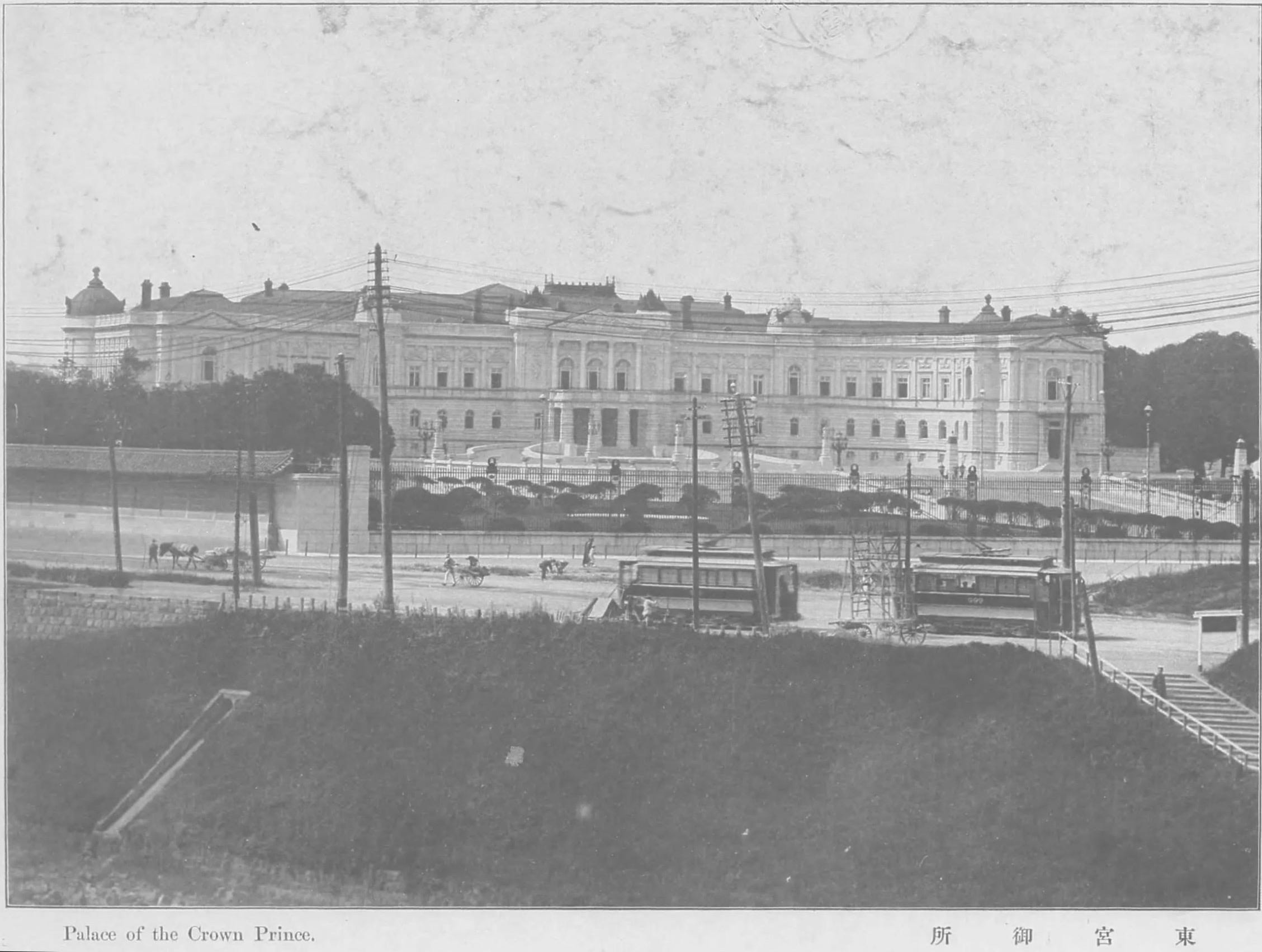
By the 1890s, Baelz’s reputation had transcended the halls of the university, and he found himself called to the highest circles of power: the Imperial Palace. He was appointed as a physician to the Imperial Household, a role that required not only medical brilliance but also extreme discretion and cultural tact. He was particularly tasked with the care of the Crown Prince (later Emperor Taisho), whose health was notoriously delicate.
At the time, the Crown Prince was the youngest of the Emperor’s four sons, all of his elder brothers having died young. The Imperial Family suffered from a constitutional fragility attributed to a history of consanguineous marriage and a sedentary, delicate lifestyle. Consequently, they bore a fate common to the court nobility and peerage, who exhibited an infant mortality rate that was surprisingly high compared to the general public. In accordance with ancient Japanese custom, the Crown Prince was raised away from his parents in the Nakayama household, but his health declined significantly during his growing years. The Japanese court physicians, led by Sohaku Asada, were practitioners of traditional Kanpo medicine, and their treatments had failed to produce satisfactory results. Baelz diagnosed the Crown Prince’s condition as serious, yet he reported to the Palace that there was significant hope for recovery. Shortly thereafter, the Prince was able to leave his sickbed and resumed a normal life. Through this successful intervention, Baelz earned the boundless trust of the Emperor.
Another defining moment of Baelz’s career occurred when the Empress Dowager fell seriously ill with pneumonia. Baelz, after a careful examination, provided a specific prognosis: “If she holds out for two days, she will be saved”. The Emperor interpreted Baelz’s words literally and, holding a watch in his hand, did not leave the sickroom for the entire forty-eight hours. When the attending physician, Dr. Oka, attempted to report on the Empress Dowager’s condition, the Emperor cut him off, stating, “Baelz said that if she holds out for forty-eight hours, she will be saved. I believe his word”. Even when Dr. Oka tried to offer a differing diagnosis, the Emperor adamantly refused to listen; ultimately, the Empress Dowager fully recovered just as the Emperor had hoped.
This profound statement of trust from the “Living God” of Japan cemented Baelz’s place in the nation’s history. While continuing his work at the university hospital, Baelz also served as a physician to the court, and the Emperor specifically decreed that Baelz must be consulted in cases of serious illness within the Palace.
Consequently, his activities and influence within Japanese high society and the
peerage expanded significantly. Blessed with both high status and exceptional skill, he enjoyed the rare honour of direct access to the Imperial Family, achieving remarkable medical results throughout his service. By maintaining this singular presence at the heart of power, Baelz functioned as a vital bridge between the Imperial throne and the outside world during this transformative era of Japanese history.